
The report card comes home, and the first thing most of us look at is the percentage. That is natural. Marks open doors, and every parent wants those doors open. But think about the adults you admire most. Chances are, what makes them stand out is not their Class 8 maths score. It is how they speak, how they handle pressure, how they work with others and how they bounce back after a setback.
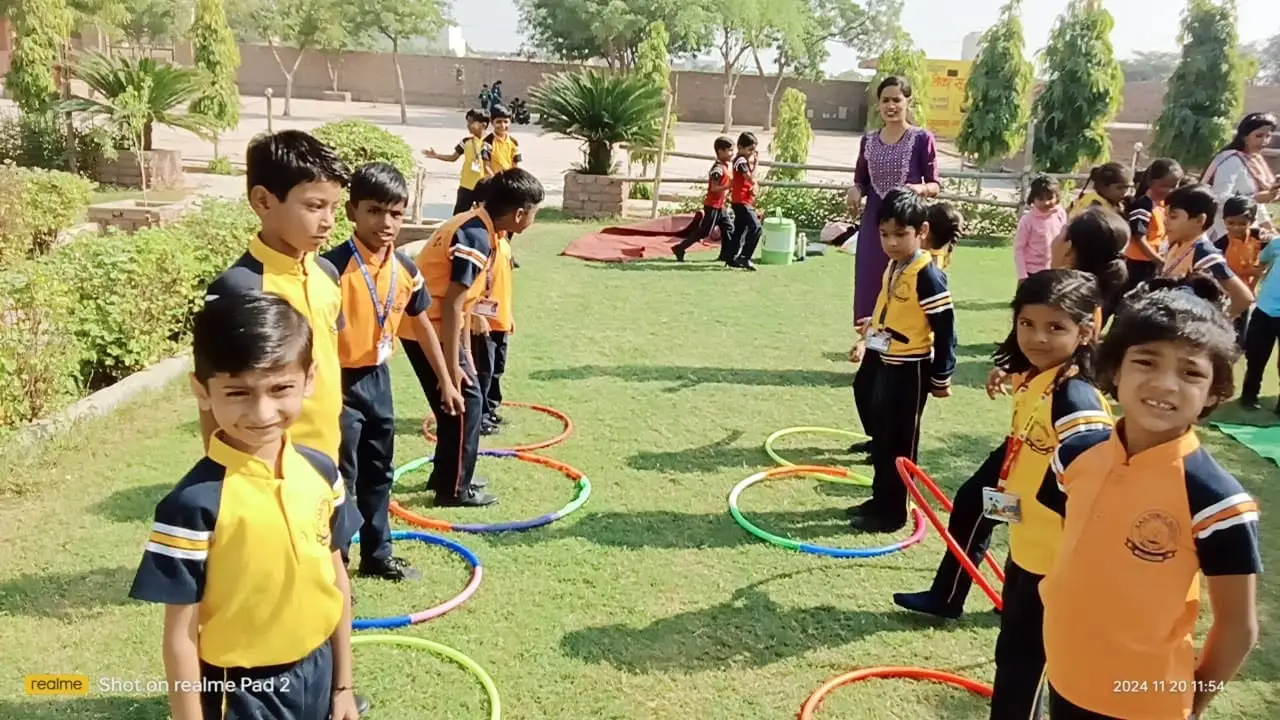
Those qualities rarely come from textbooks alone. They are built on the playground, on the stage and in the club room. Sports and cultural activities give children a place to practise them every week.
In short, sports and cultural activities matter as much as marks because they build health, confidence, teamwork and discipline, and these qualities help children use their academic knowledge well. The goal is not to choose between the two. The goal is balance.
What Counts as Sports and Cultural Activities?
When schools talk about co-curricular activities, they usually mean four broad areas:
• Sports and physical activity: athletics, football, cricket, basketball, badminton, indoor games, yoga and meditation.
• Performing arts: dance, music, theatre and drama.
• Literary activities: debate, elocution, extempore speaking, creative writing, essay writing and poetry recitation.
• Clubs and leadership: science, eco, robotics and maths clubs, social service and student council roles.
Each area develops a different side of a child. A shy reader may shine in a poetry recitation. A restless child may find focus on the football field.
7 Ways Sports and Cultural Activities Help Your Child Grow
1. A Healthier Body and a Fresher Mind
Children today spend long hours sitting, whether in class, at tuition or in front of screens. The World Health Organization recommends that children aged 5 to 17 get at least 60 minutes of moderate to vigorous physical activity every day.
Regular play keeps the body strong and helps children sleep better. Many parents also notice that a child who has run around in the evening sits down to homework with a calmer mind.
2. Confidence That Shows in Class
Standing on stage for a dance performance or speaking in a debate is scary the first time. By the third or fourth time, it feels normal. That growing comfort does not stay on the stage. A child who has faced an audience is often more willing to raise a hand in class or answer a question in front of others.
3. Teamwork and Learning to Lose Well
In a cricket match or a group dance, no single child can succeed alone. Children learn to share responsibility, trust teammates and accept that someone else may get the spotlight this time.
Sports also teach children how to lose. A lost match is a safe, low-stakes way to feel disappointment, recover and try again. That lesson helps later when an exam does not go as planned.
4. Discipline and Time Management
Practice happens at fixed times, whether the child feels like it or not. Showing up regularly, following a coach’s instructions and improving step by step builds self-discipline.
Children who juggle studies with a sport or hobby also learn to plan their time. They know homework must be done before practice, so they waste less time.
5. Creativity and Problem-Solving
Art, craft, theatre and music invite children to imagine, experiment and express ideas in their own way. There is rarely one correct answer. Clubs like robotics and science add another kind of creativity, where children test an idea, see it fail and fix it.
This habit of trying different approaches is valuable in every subject, from writing a story to solving a tricky maths problem.
6. Pride in Culture and Values
Festival celebrations, cultural programmes and patriotic events connect children to their roots. When students take part in celebrations such as Holi or Gandhi Jayanti, they learn the stories and values behind them instead of just reading about them. This builds respect for traditions and for people from different backgrounds.
7. Communication and Leadership
Debates, elocution and extempore events train children to think quickly, organise their thoughts and speak clearly. Being a team captain or a student council member teaches them to guide others, listen to different opinions and take responsibility. These are skills every future workplace asks for.
Marks and Activities: Partners, Not Rivals
Many parents worry that time spent on activities is time taken away from studies. In practice, the two support each other. India’s National Education Policy 2020 itself calls for no rigid separation between curricular and extra-curricular activities.
Here is how the skills connect:
| Skill | Built through | Where it helps later |
| Focus and stamina | Sports, yoga and meditation | Long study sessions and exams |
| Clear speaking | Debate, elocution and drama | Viva, interviews and presentations |
| Teamwork | Team sports and group dances | Group projects and the workplace |
| Creativity | Art, music and robotics | Writing, design and problem-solving |
| Resilience | Competitions and matches | Handling a bad result and trying again |
How Parents Can Strike the Right Balance
• Follow your child’s interest. Let your child try two or three activities, then pick the one they enjoy most. Interest keeps a child going far longer than pressure.
• Keep a simple weekly plan. Mark study time, play time and rest on a chart so nothing gets squeezed out, especially near exams.
• Watch for overload. If your child seems tired, irritable or is falling behind, reduce activities rather than dropping them completely.
• Praise effort, not just prizes. Turning up for practice and improving matters more than winning a medal.
• Attend when you can. Being in the audience at a sports day or an annual function tells your child that you value what they do outside the classroom.
Common Myths About School Activities
• “Activities are only for children who are weak in studies.” In reality, many strong students are also active in sports and the arts.
• “My child can start activities after board exams.” Skills like confidence and teamwork take years to grow, and the early classes are the best time to begin.
• “Only winners benefit.” Participation itself builds most of the skills described above.
Sports and Cultural Life at DAV Public School Suratgarh
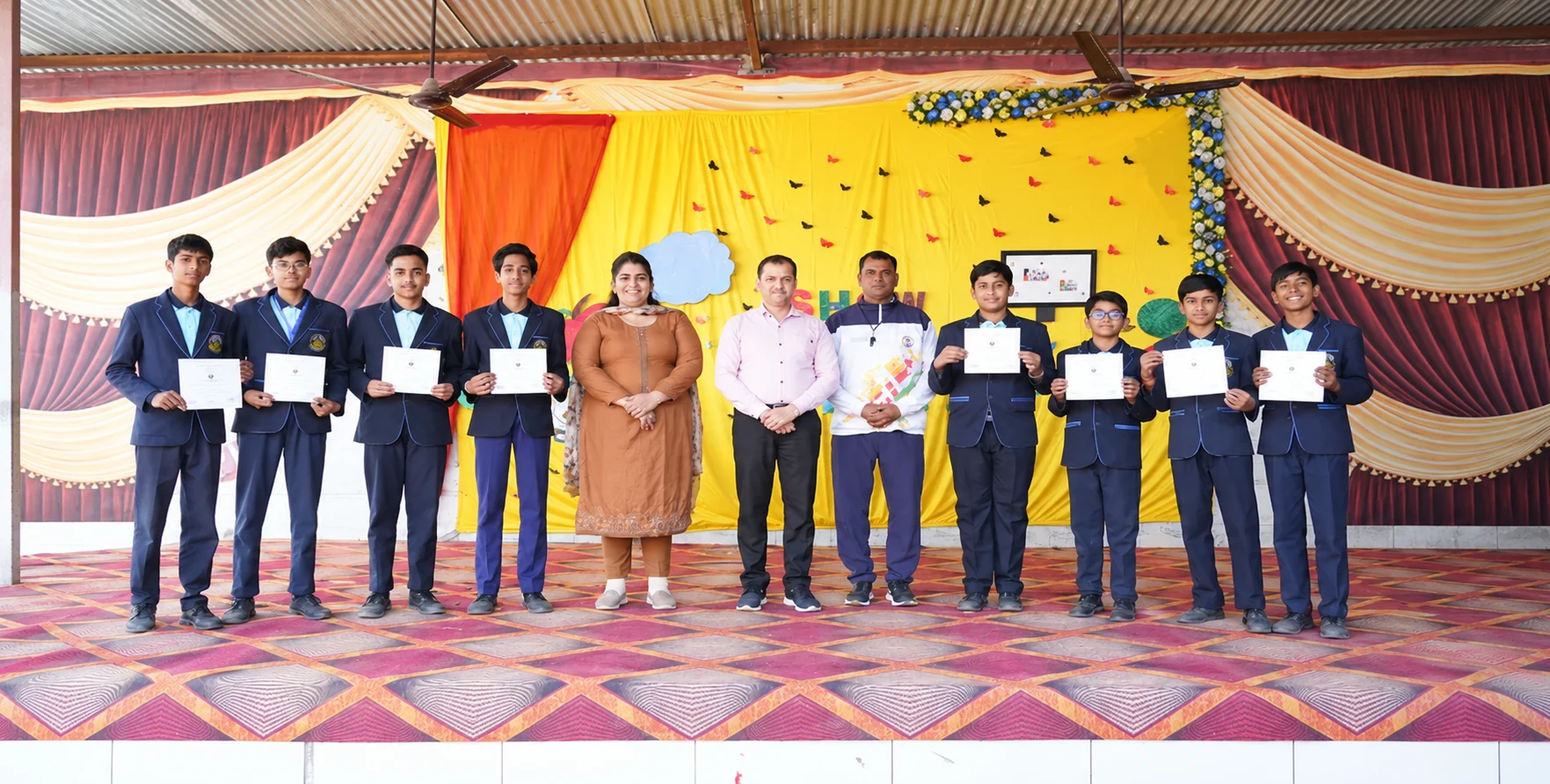
At DAV Public School Suratgarh, which has taught children in Suratgarh for over 20 years, activities are planned as part of school life rather than as an extra. According to the school’s Activities and Events page, students take part in:
• Sports through the year: athletics, football, basketball, cricket, badminton and indoor games, plus yoga and meditation sessions and inter-house and inter-school competitions.
• Weekly performing arts clubs: dance, music, theatre and drama.
• Literary events: debate, elocution, extempore, creative writing, essay contests and poetry recitation.
• Clubs and leadership: science, eco, robotics and maths clubs, social service programmes and student council roles.
• Annual events: cultural programmes, talent shows and the Annual Function, open to every student.
The school’s Infrastructure and Support System page lists playgrounds and a sports arena, performing arts and creativity zones, and activity rooms for art, craft and robotics. Under the school’s Curriculum and Methodology, extracurricular performance is part of continuous evaluation, giving parents a fuller picture than exam marks alone.
You can see some of these moments in posts like the Dance Event and the Lemonade Activity, where students learned teamwork and entrepreneurship through hands-on work.
Frequently Asked Questions
Why are sports and cultural activities important for students?
They build physical health, confidence, teamwork, discipline and creativity. These qualities help children handle studies, exams and real-life challenges better. Activities also give children a healthy way to relax, express themselves and discover talents that marks alone cannot show.
Do co-curricular activities affect a child’s studies?
When balanced well, activities usually support studies rather than harm them. Children learn time management and return to their books feeling refreshed. Problems arise only when a child is overloaded, so keep a simple weekly plan and adjust it near exams.
How much physical activity does a school-going child need?
The World Health Organization recommends at least 60 minutes of moderate to vigorous physical activity daily for children aged 5 to 17. This can include school sports, outdoor play, cycling or yoga, spread across the day.
How do I choose the right activity for my child?
Let your child try a few options, such as one sport, one art form and one club, and notice what they enjoy and keep returning to. Talk to class teachers too, because they often spot interests that parents miss.
Should children stop activities in board exam years?
Not completely. Reduce the time if needed, but a short daily walk, game or music session helps manage stress and keeps the mind fresh. Many students find light activity improves their focus during long revision periods.
What activities are offered at DAV Public School Suratgarh?
The school offers athletics, football, basketball, cricket, badminton, indoor games, yoga and meditation, weekly dance, music, theatre and drama clubs, debates, elocution, science, eco, robotics and maths clubs, along with annual cultural programmes and talent shows.
Final Thoughts
Marks show what a child knows. Sports and cultural activities shape who a child becomes. A child who is healthy, confident and able to work with others is far better prepared to make the most of their marks.
This week, ask your child which activity at school they enjoy most, and go and watch them at the next event. Have questions about clubs, sports or events at DAV Public School Suratgarh? Our teachers are always happy to talk, so feel free to get in touch with the school or plan a campus visit and see student life for yourself.